Movement always leaves
vibration and noise behind
Roads, railways and underground spaces connect cities, but they also burden their surroundings. Drawing the line by calculation — how far that burden can be reduced, and where costs start to rise sharply — is the core of mobility engineering.
Mobility Insights
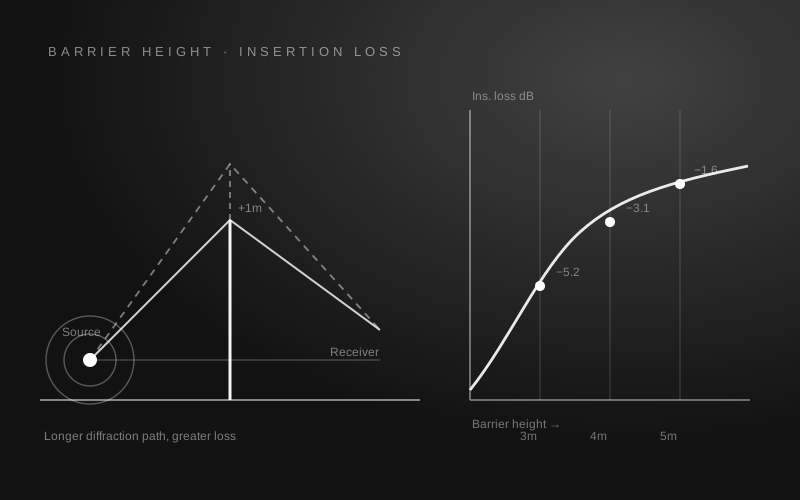
How Many Decibels Does One More Meter of Noise Barrier Buy?
The limits of attenuation according to diffraction theory. Instead of raising the barrier further, we compare the cost-effectiveness of absorptive surfaces, top-edge shapes and source measures.
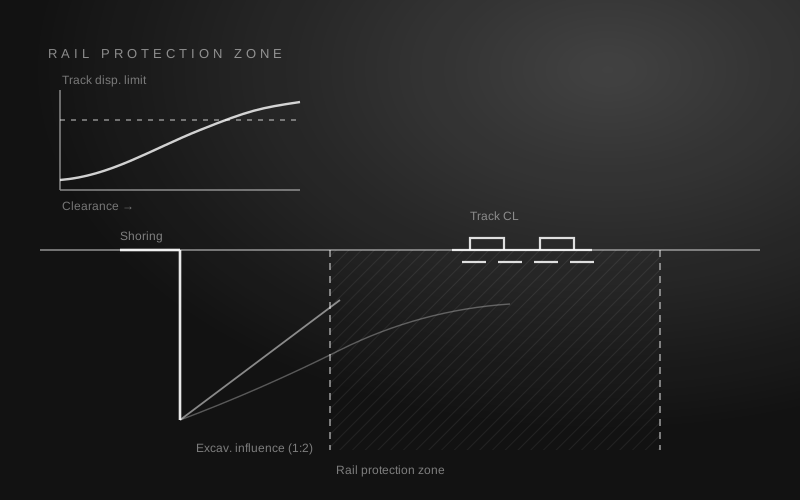
Development Next to Railways: Common Sticking Points in Protection Zone Safety Reviews
Excavation depth and setback alone don’t decide the outcome. Case studies on the analysis conditions and monitoring plans that managing authorities actually require.
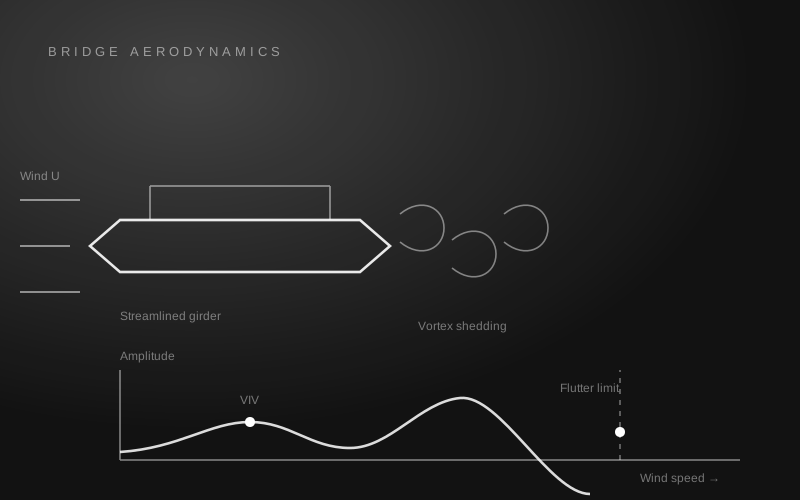
Bridge Wind Loads: Structures Where Static Calculations Fall Short
Galloping, flutter and vortex-induced vibration in long-span bridges and lightweight roof structures. Criteria for identifying when wind tunnel testing is essential.
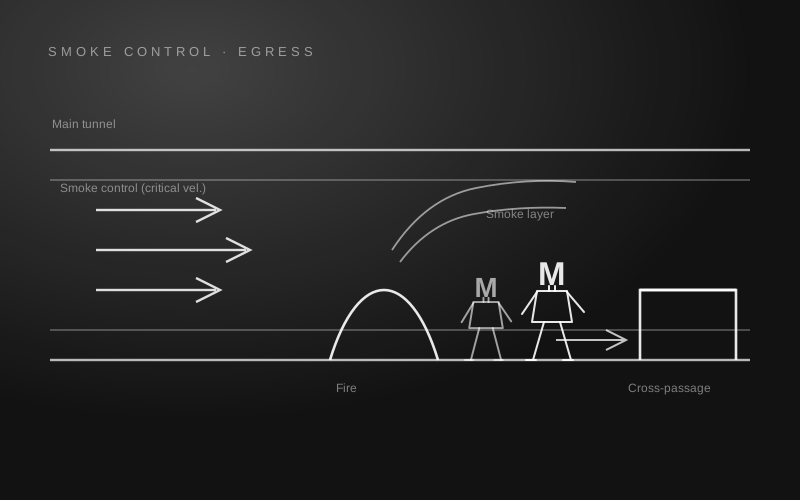
Smoke Control and Evacuation Underground: When Ventilation Becomes Life Safety
Where everyday ventilation plans and fire smoke control plans conflict in complexes linked to underground spaces — and how performance-based design resolves it.
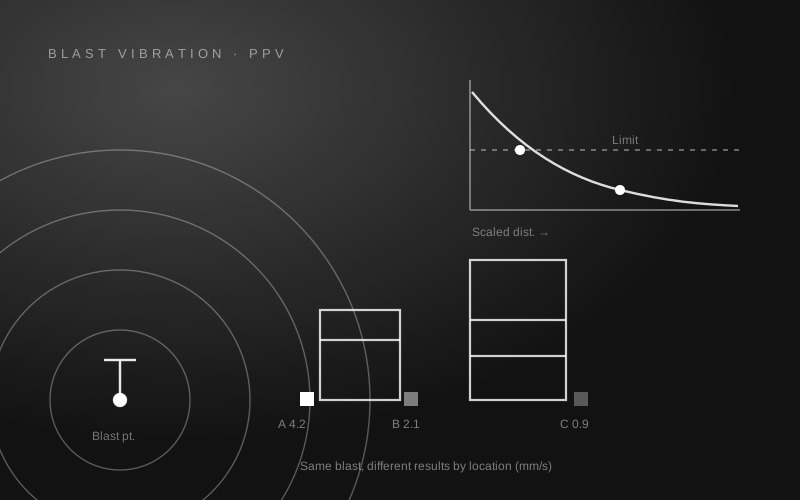
Blasting and Pile Driving Vibration Complaints: Measurement Location Changes the Result
Even at the same site, the verdict changes with the choice of measurement points. Designing measurements to verify actual impact — not just to satisfy regulatory limits.
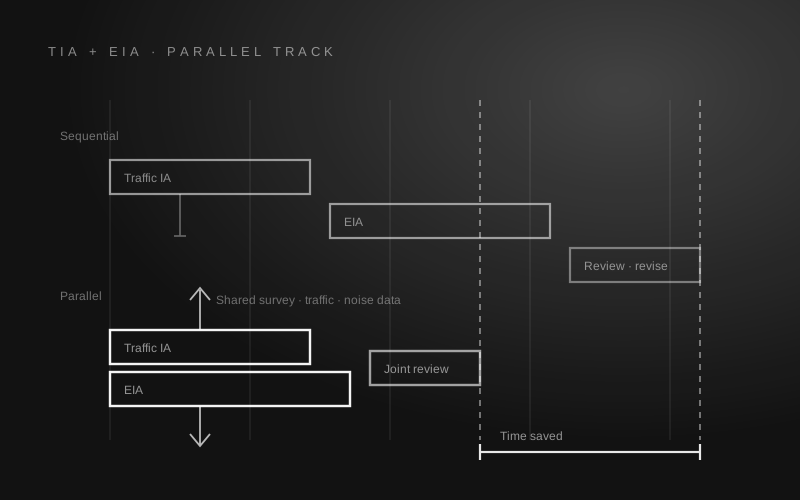
Traffic Impact Assessment and EIA: What You Save by Preparing Them Together
The surveys the two assessments require overlap substantially. A case in which running the procedures in parallel cut duplicate surveys and schedule delays.
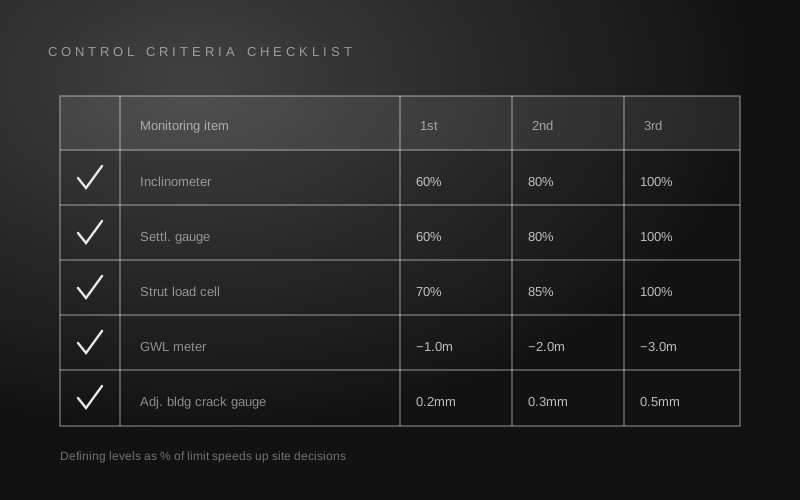
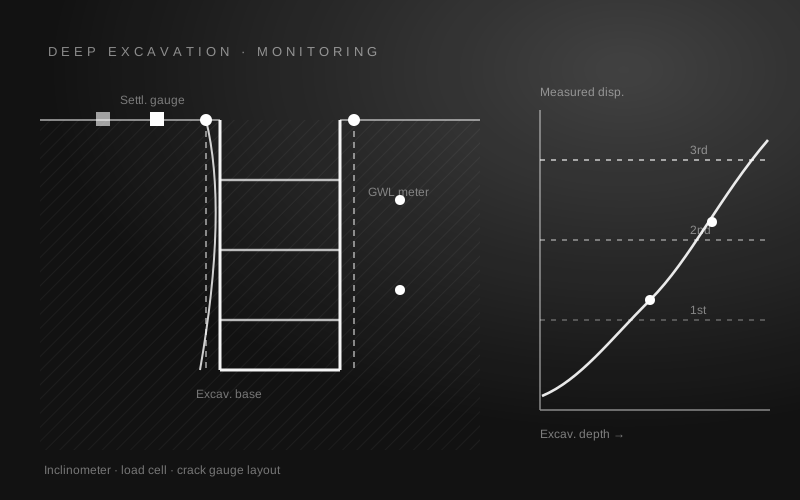
[Checklist] Guide to Setting Excavation Monitoring Thresholds
A practical resource on the basis for Stage 1, 2 and 3 thresholds and response procedures when they are exceeded.
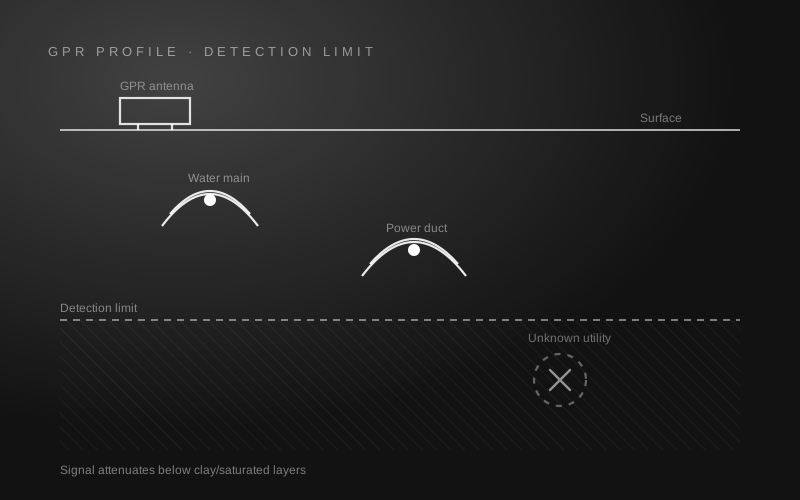
What GPR Surveys Found — and What They Missed
Understanding the resolution limits of geophysical surveys and how to combine them with borehole investigations.
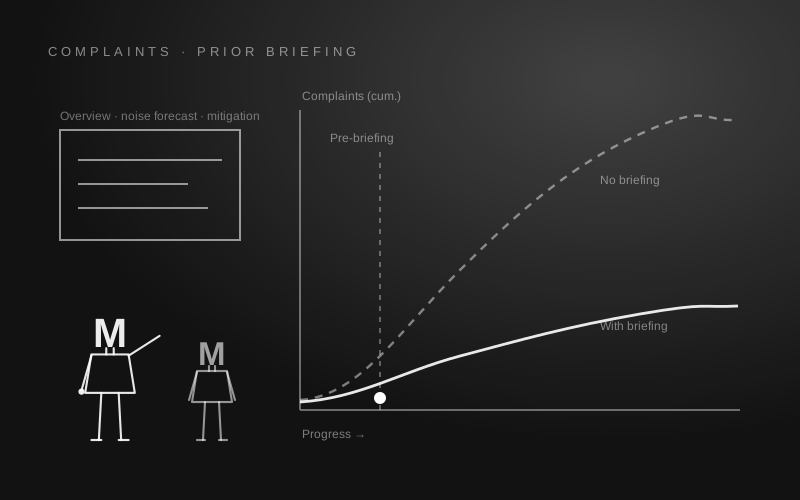
Construction Noise Complaints: Why Advance Briefings Matter as Much as Mitigation
Field observations of how complaint numbers changed when prediction results were shared with residents first.
Related Services
The topics in this category are delivered as real projects by the disciplines below.
Civil Engineering
Underground safety impact assessment, railway protection zone review, earth retaining design, construction monitoring
Environmental Engineering
Traffic impact assessment, noise impact assessment, noise barrier design and construction, performance-based design
Testing · Inspection · Measurement
Wind tunnel testing, blasting and pile driving vibration measurement, continuous monitoring of adjacent buildings
Excavation and noise: check before
you break ground, and cut costs.
Just tell us the site conditions and nearby facilities, and we’ll outline the reviews and monitoring plan you need.