We don’t stop at
predicting the future
DINETT engineers have built answers to the questions they face again and again in the field. We share the criteria and calculations behind those judgments, organized into six perspectives — because we believe raising the standard of review across the industry is the surest way to prevent accidents.
Six Perspectives
The problems engineering faces don’t lie in technology alone. Climate and cities, people and resources are all intertwined.
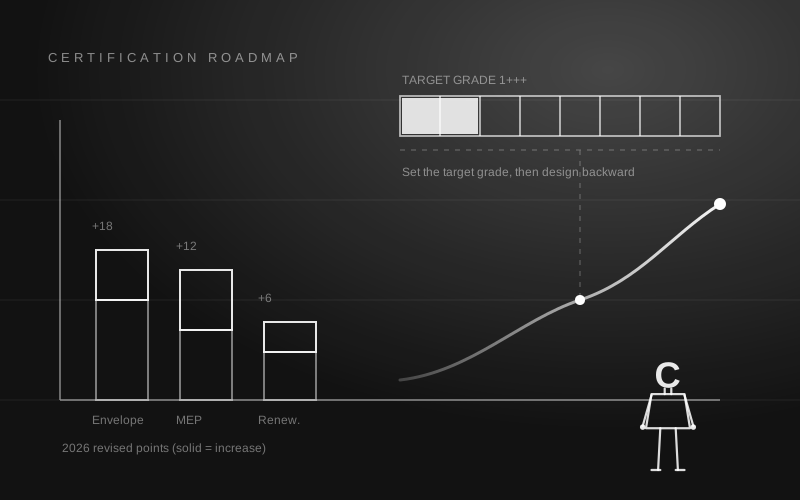
Carbon neutrality and energy performance, heat islands and extreme weather. How buildings and cities respond and adapt to climate change.
READ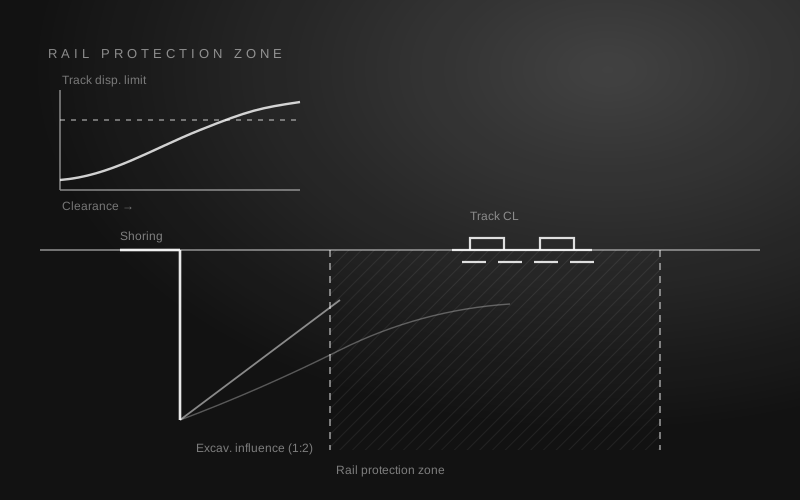
Roads, railways and underground space. Perspectives on the safety, noise and vibration of the infrastructure that moves people and goods.
READ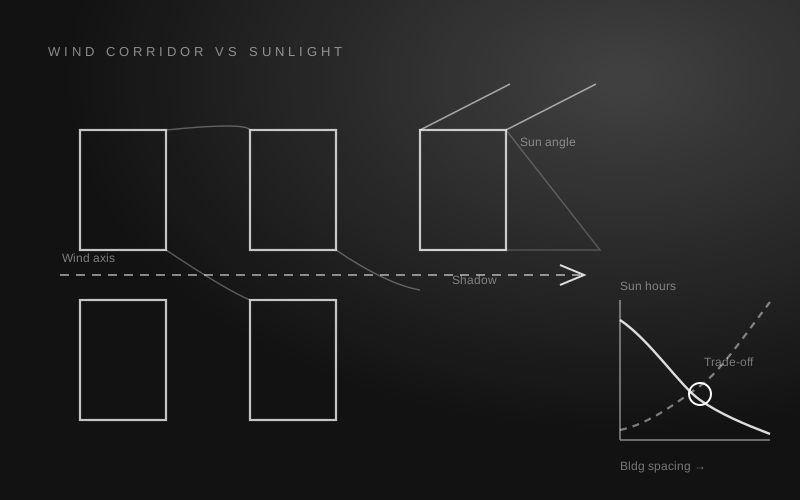
Buildings, complexes and urban spaces. Designing the light, wind and sound of the places people actually occupy.
READ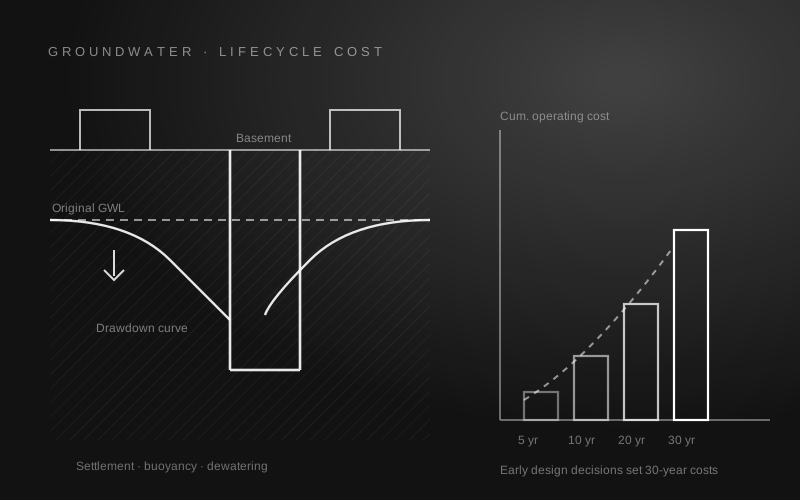
Energy and water, ground and materials. Discussions on design and circularity that don’t waste finite resources.
READ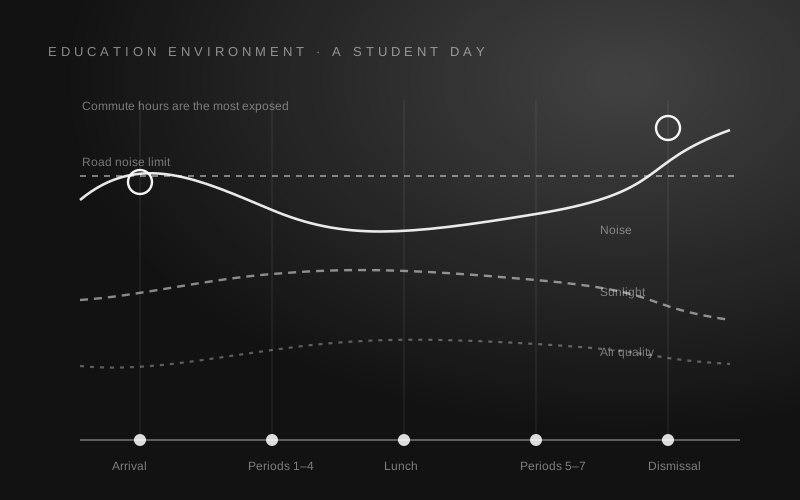
Safety and equity, disputes and consensus. How engineering outcomes affect people’s daily lives.
READ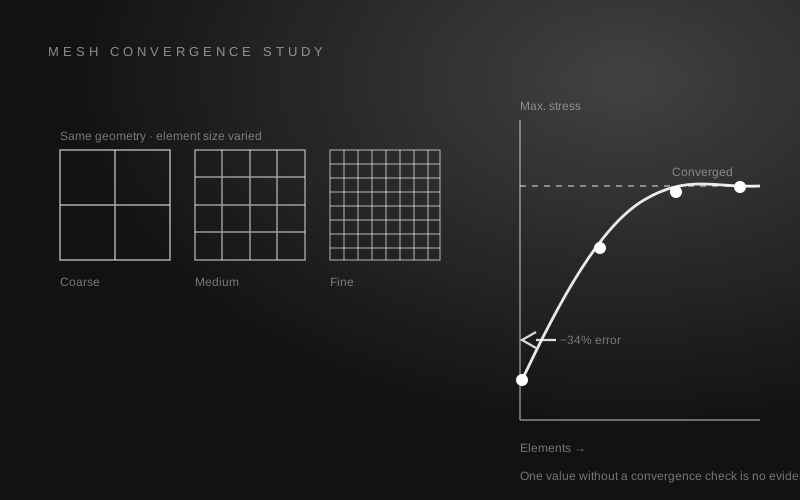
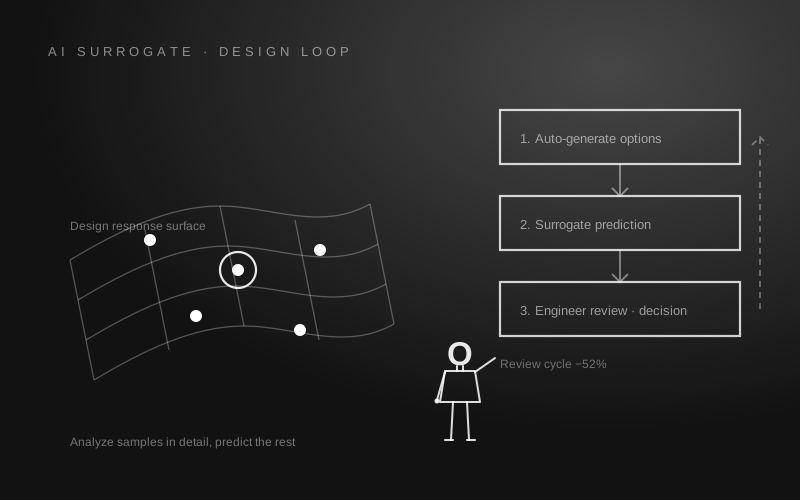
Analysis and measurement, AI and digital twins. Tools that extend engineering judgment — and their limits.
READLatest Articles
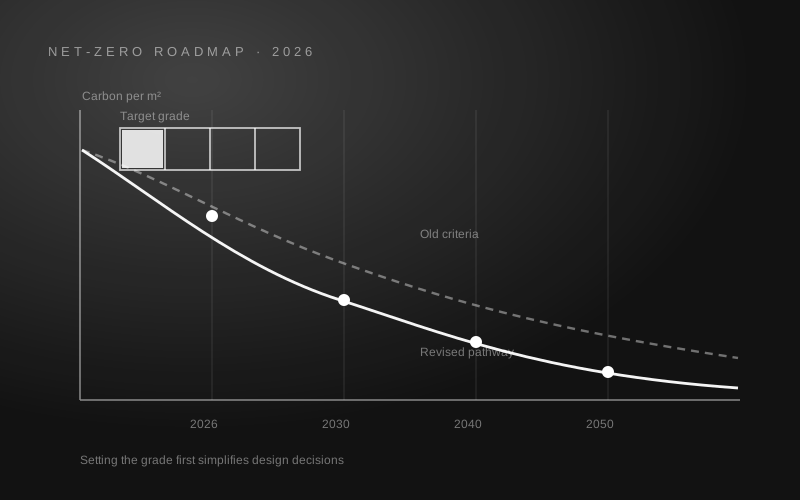
Carbon Neutrality Roadmaps and G-SEED: How the 2026 Revised Standards Affect Design
Rescoring is not a paperwork change. It shifts the economic optimum for envelope specifications, equipment capacity and renewable energy share.
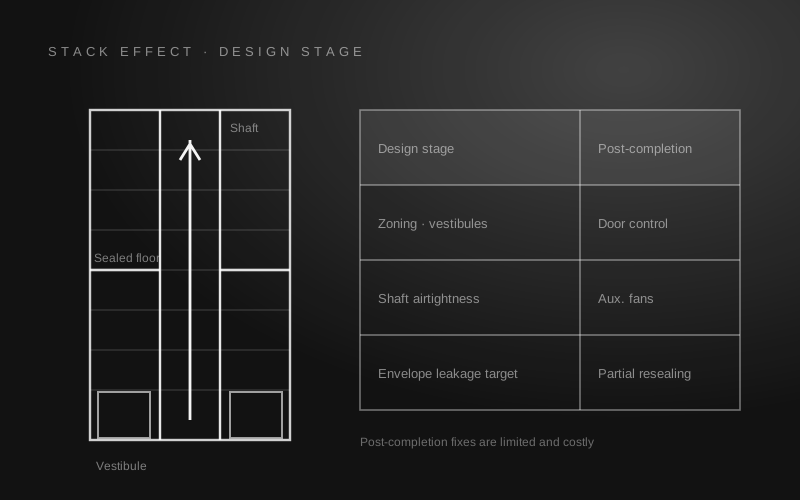
Stack Effect in Super-Tall Buildings: Why It Must Be Addressed at Design, Not After Completion
Once elevator doors stop closing and the lobby starts whistling, the cost of remediation has already multiplied.
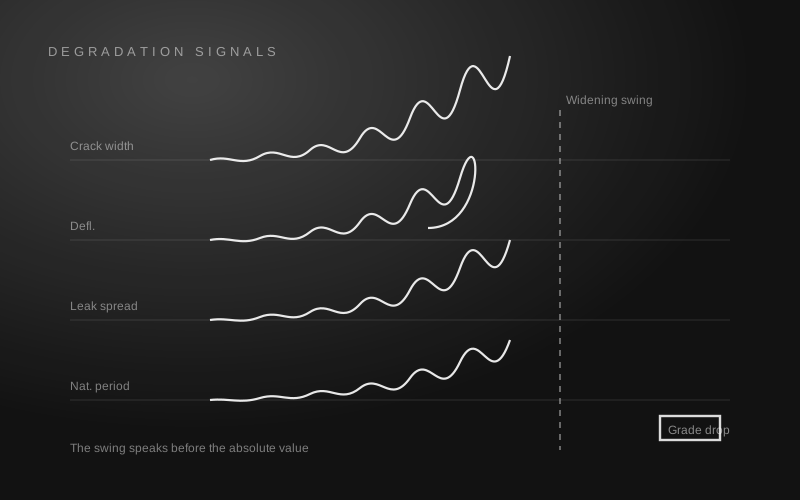
Five Signals That Predict a Safety Grade Drop in Aging Facilities
Warning signs repeatedly observed in in-depth safety inspections, and when to intervene before a rating drops.
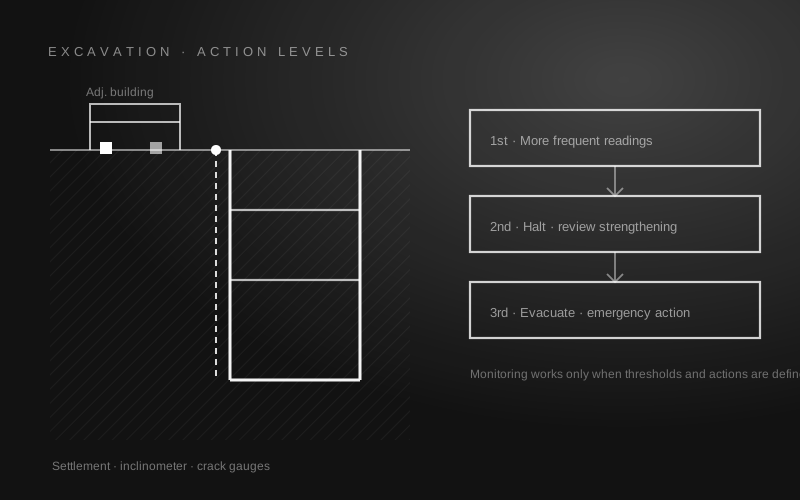
Deep Urban Excavation: Monitoring Thresholds Decide Disputes
Thresholds set without justification are ignored when exceeded — and not trusted even when met.
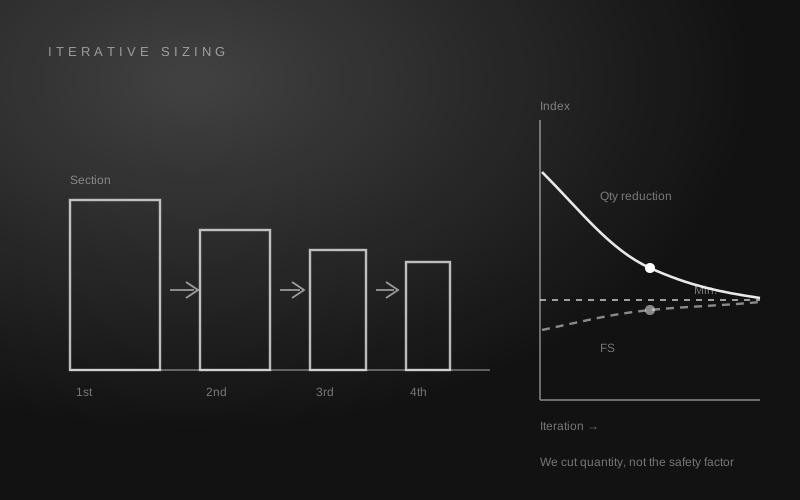
Analysis-Driven Material Optimization: Cutting Quantities Without Cutting Safety Factors
Overdesign is not safety — it is waste. How to convert the design margin revealed by detailed analysis into material savings.
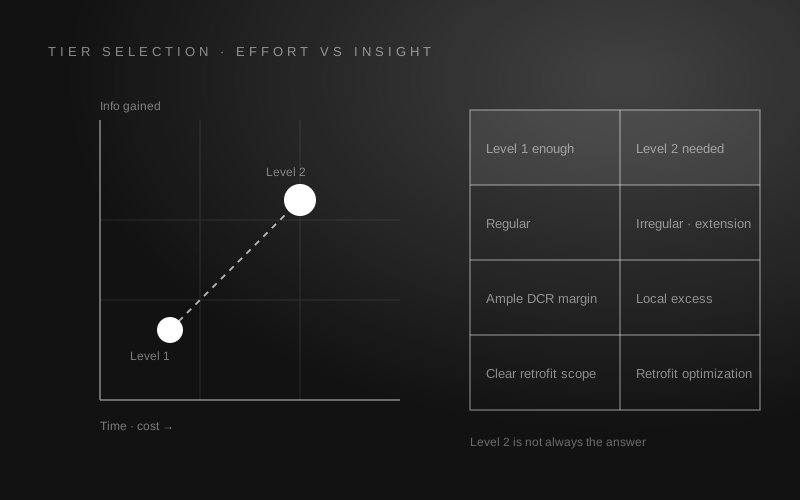
Seismic performance evaluation Level 1 vs. Level 2: what to choose, and when
The evaluation stage you choose drives the size of the retrofit budget. When a preliminary evaluation suffices and when a detailed evaluation is required.
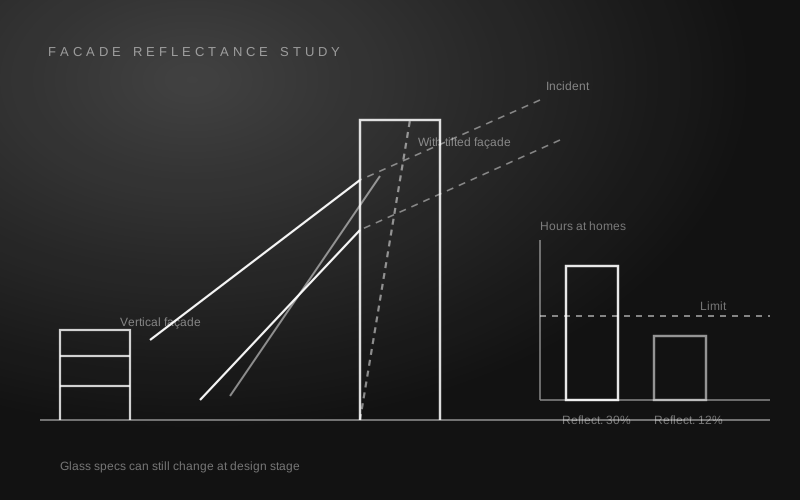
Curtain Wall Glare Complaints: Cases That Could Have Been Prevented at Design
Thirty minutes of glare review before choosing glass specifications replaces months of disputes after completion.
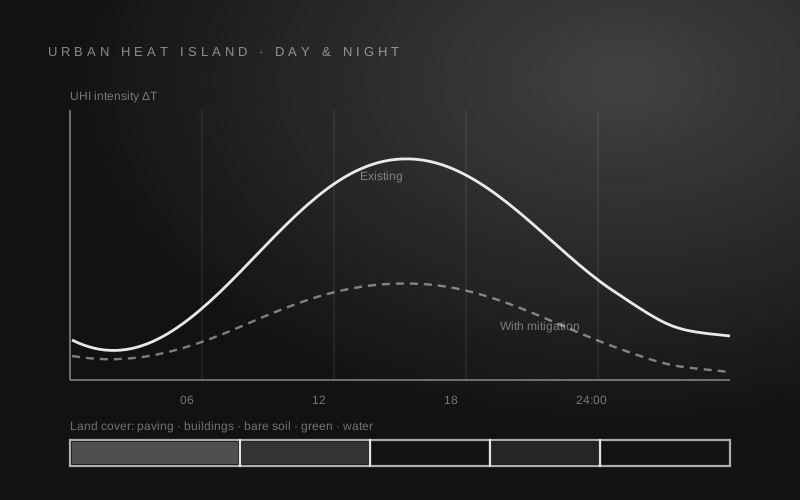
Urban Heat Islands: Are Green Roofs Enough?
We compared the outdoor thermal comfort (UTCI) gains of four mitigation measures under identical conditions.
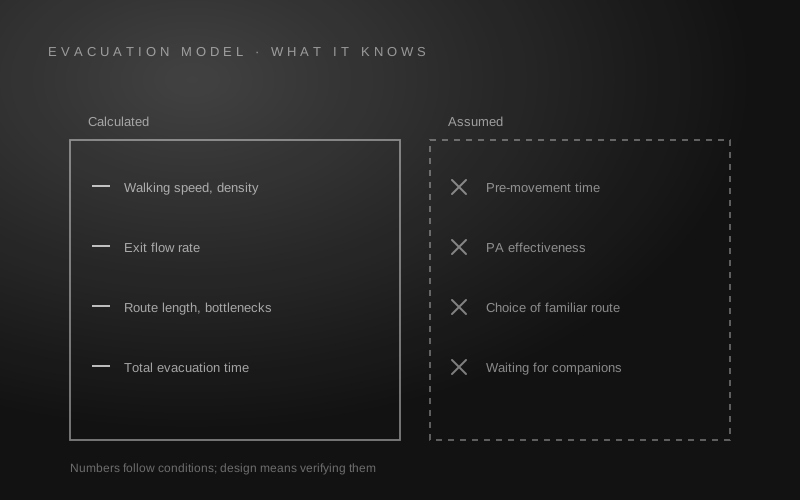
What Fire Evacuation Simulations Tell You — and What They Don’t
We examine the assumptions hidden behind the conclusion that RSET is shorter than ASET.
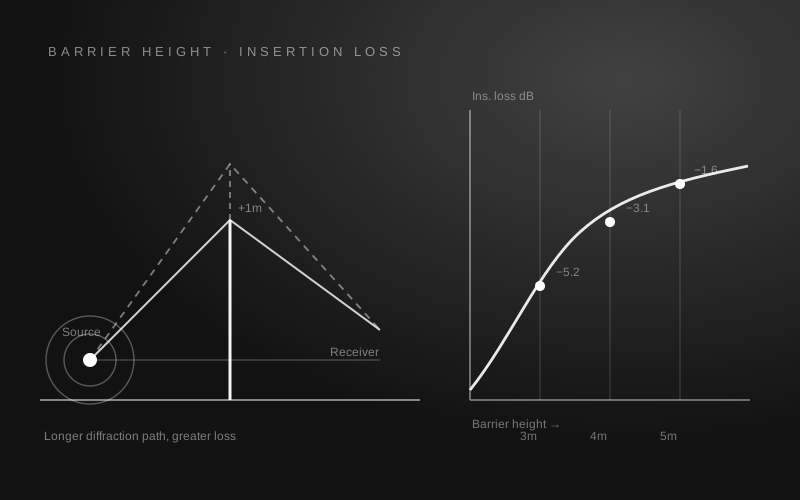
How Many Decibels Does One More Meter of Noise Barrier Buy?
The limits of attenuation according to diffraction theory, and alternatives to consider instead of height.
Resource Library
Checklists and decision criteria DINETT engineers use on real projects. Built to be used directly in practice — not as company promotion.
※ Resource files are in preparation. Place the actual PDFs in the assets/downloads/ folder and change each button’s href to the matching path, and they will work immediately.
Request Technical Resources
Tell us which resource you need and how to reach you, and we’ll send it by email — with a brief comment from the engineer in charge.
If reading isn’t enough,
ask us directly.
Our engineers will advise you directly on how to apply the topics in these articles to your project.